Brass Pooja Thali Set: How to Choose, Use and Clean One
By the Diyora team · 28 September 2026 · 5 min read

A brass pooja thali set is one of the few things in an Indian home that is used for decades and then passed on. That makes it worth choosing carefully. This guide explains what a complete thali should include, how to tell good brass from bad, and how to keep it shining without harsh chemicals.
What a brass pooja thali set includes
There is no single rule, and families have their own traditions, but most complete sets include:
- The thali itself, usually 25 to 30 cm across.
- A diya for ghee or oil.
- Two katoris for kumkum and haldi, or roli and chawal.
- An agarbatti stand to hold incense.
- A small bell rung during aarti.
- A kalash or lota for water.
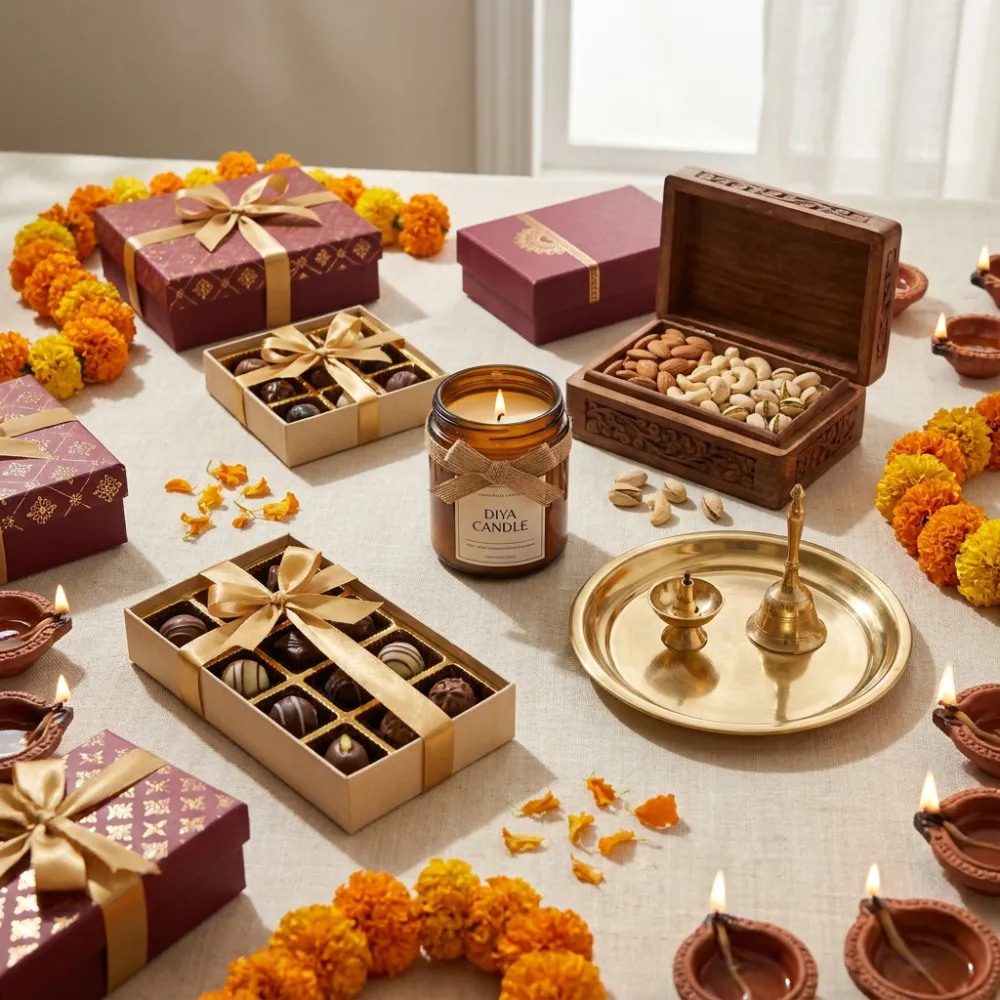
Our Engraved Brass Pooja Thali Set includes all seven pieces, so nothing needs to be bought separately.

Solid brass vs plated: how to tell
Many cheap thalis are steel or aluminium with a thin brass coating that wears off within a year. Here is how to check:
Weight
Solid brass is heavy. A 30 cm solid thali weighs around a kilo. If it feels light, it probably is not solid.
The magnet test
Brass is not magnetic. If a fridge magnet sticks to the thali, there is steel underneath.
Look at the edges
Scratches or worn edges on plated pieces show a silver colour underneath. Solid brass is the same colour all the way through.
Choosing the right size and finish
For a family puja with a full set of items, choose a 30 cm (12 inch) thali. For a small mandir shelf or a gift for someone in a compact home, a 25 cm thali is easier to handle.
Finishes are a matter of taste. Polished gold is traditional and bright. An antique finish hides fingerprints and looks rich in low light. If you want colour, a Meenakari thali adds enamel work in ruby, peacock blue or emerald.

How to clean a brass pooja thali set naturally
Brass darkens over time because it reacts with air. You do not need chemical cleaners to bring it back.
Tamarind paste
Soak a small ball of tamarind in warm water, rub the pulp over the brass and leave for five minutes. Rinse and dry with a soft cloth.
Lemon and salt
Cut a lemon in half, dip it in salt and scrub gently. This works well on engraved areas.
Besan and curd
For daily cleaning, a paste of gram flour and curd removes oil and kumkum stains without scratching.
Always dry brass completely after washing. Water spots are the most common reason a thali looks dull.
How to arrange a brass pooja thali set for Lakshmi Puja
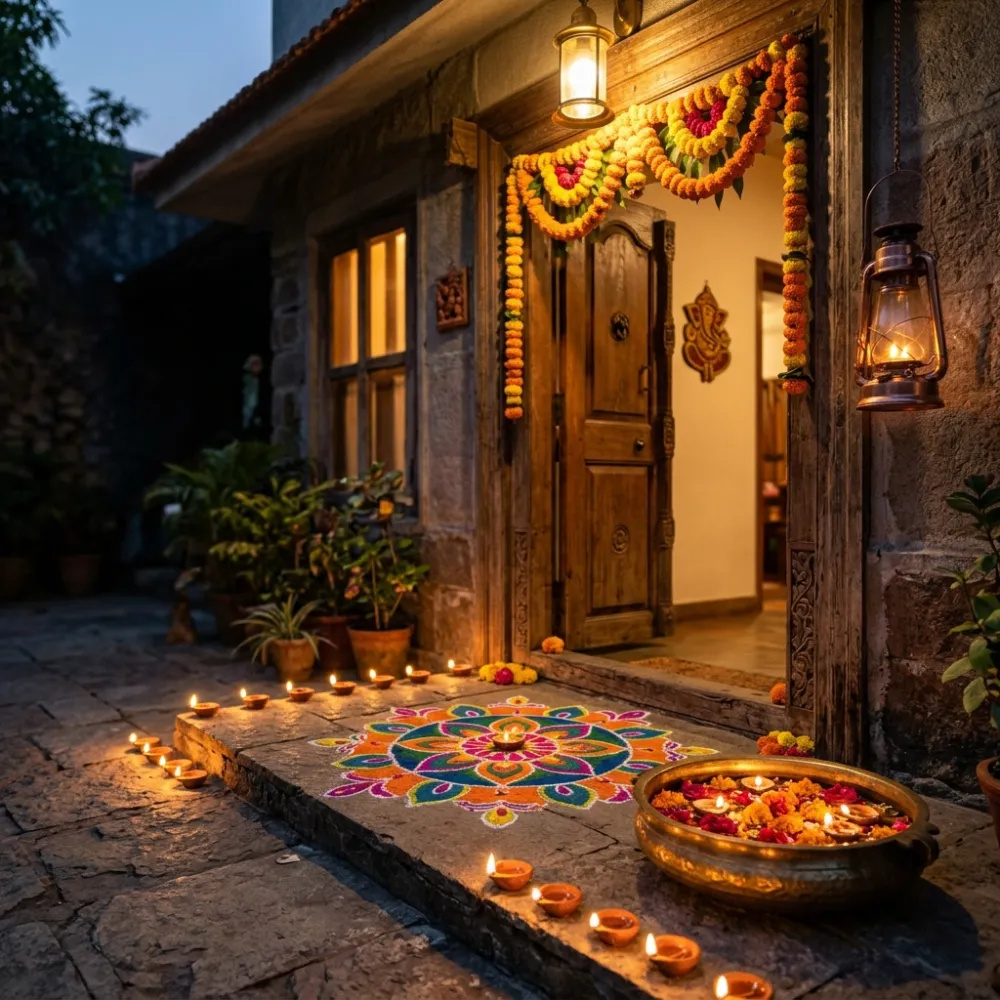
Arranging the thali is simple once you know the order. Place the diya at the front, towards the deity, and fill it with ghee and a cotton wick. Put the kumkum and haldi katoris on either side, with a few grains of rice in a third bowl if your family uses akshat. Rest the agarbatti stand at the back so the smoke does not blow into the diya. Add flowers, a sweet for the prasad and a coin or two, which many families keep on the thali for Lakshmi. Keep the bell on your right so it is easy to ring during the aarti. After the puja, let the diya burn out on its own and clean the thali the next morning, before kumkum stains have time to set into the engraving.
Is a brass thali a good gift?
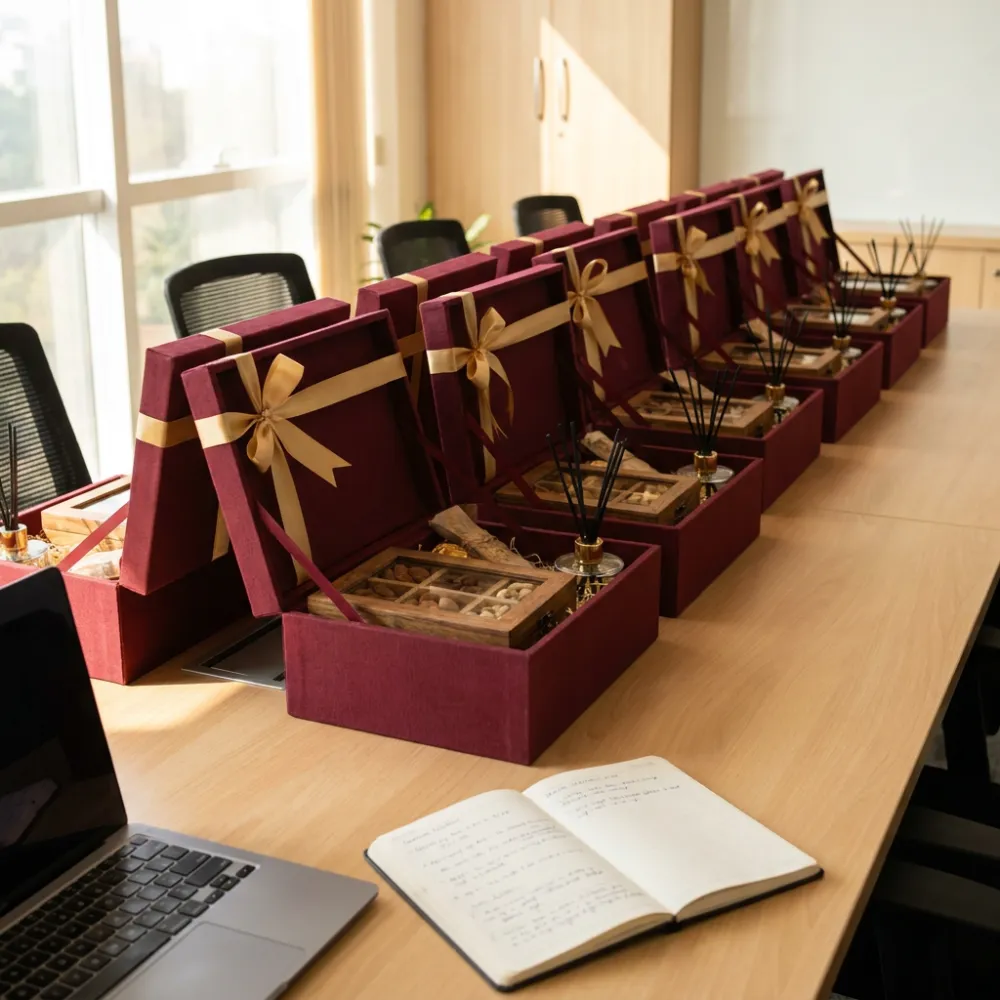
Few gifts carry as much meaning. A thali is used for every important puja, from griha pravesh to weddings, which is why it is a favourite for Diwali, housewarmings and corporate gifts for senior leaders. Pair it with clay diyas or guggal dhoop for a complete puja gift.
Find your thali: explore our full Brass & Pooja collection, hand-made in Moradabad and Jaipur and delivered gift-boxed across India.